Blog
Gambia Journal
January & April 2026

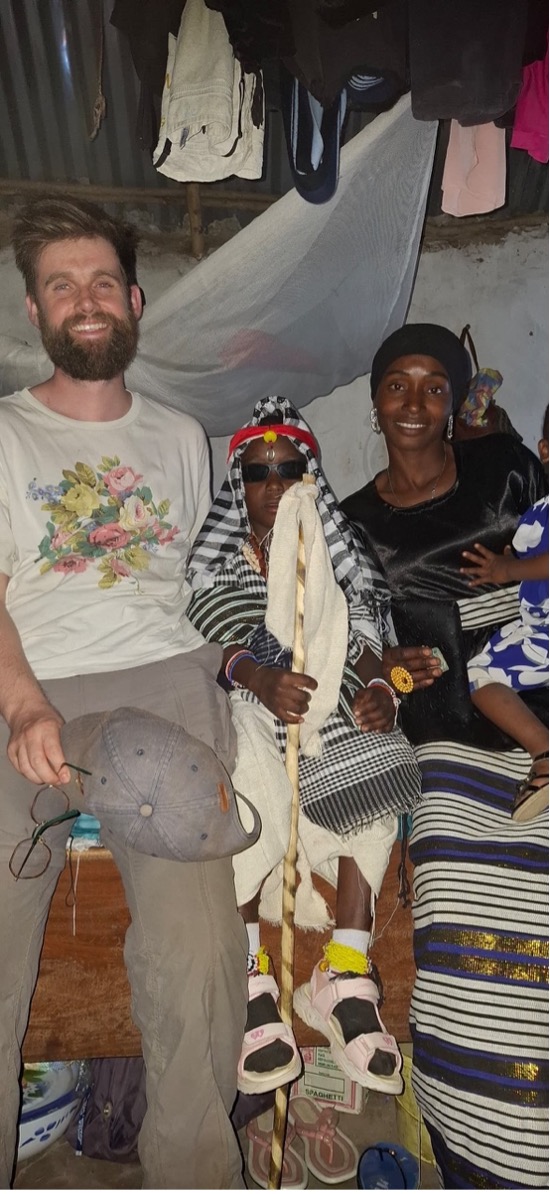
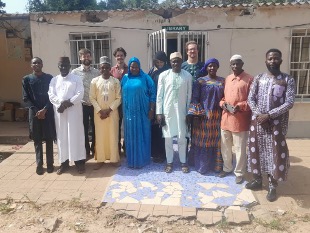
Following the conclusion of rainy season, I traveled to The Gambia in January of this year to collect data from our cameras. I intended only to collect data and conduct some micro habitat surveys in the areas surrounding the cameras but found the most important work I would do was to rally with my collaborators and friends in The Gambia to ensure our goals were aligned. I would also learn valuable lessons about being flexible with the inherent uncertainty that comes with fieldwork.This was my first time visiting The Gambia during peak tourist season, and from the queues at immigration control, to the crowded beaches and accommodations, things were quite different from the start. The abundance of tourists at this time really magnified the colonial aspects of tourism and national relations still in place today. However, on a personal note, the climate during this season is particularly agreeable and makes time spent on the coast feel paradisical. It was wonderful to reunite with my fellow PhD students Hellena, Santi, and Ali. I also was excited to see Dr. Aliyu another PhD student and veterinarian who I hadn’t seen in person since my first visit to The Gambia almost 3 years ago. I also went with Dr Aliyu to update the Department of Parks and Wildlife Management on our respective projects’ progress.
Although I enjoyed my short time on the coast, I itched to get back upcountry where I had grown to love the complex agroecosystems and people. My enthusiasm was curbed when I grew ill the morning that we departed upriver. That sore throat and nasty cough would wind up plaguing me for weeks, even after my departure from The Gambia. We drove up country to the now familiar MRC field station in the village of Walikunda. Felt like home.Whenever we arrive in the region, we do our customary greetings to all our friends in Walikunda and at the camp. There are a number of kindly security guards and people who have worked with us before that we always like to catch up with. I was forced to rest for a day though, to make sure I was healthy enough to go to the field. Once I was feeling slightly better, I made sure to visit our study village and greet everyone, which I’ll call “Jufure” for their privacy. It’s important to catch up with people before shoving our work down their throats. These visits are always friendly and casual as we catch up and socialize with no pretense.
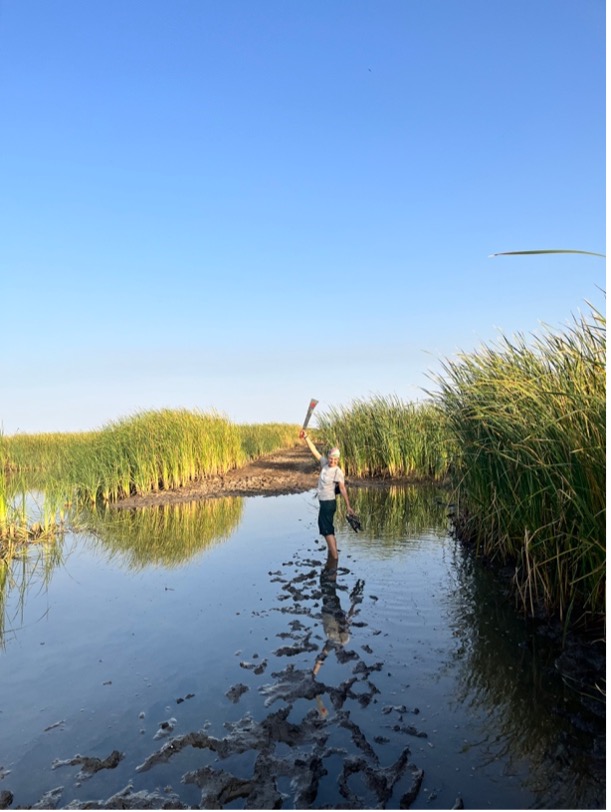
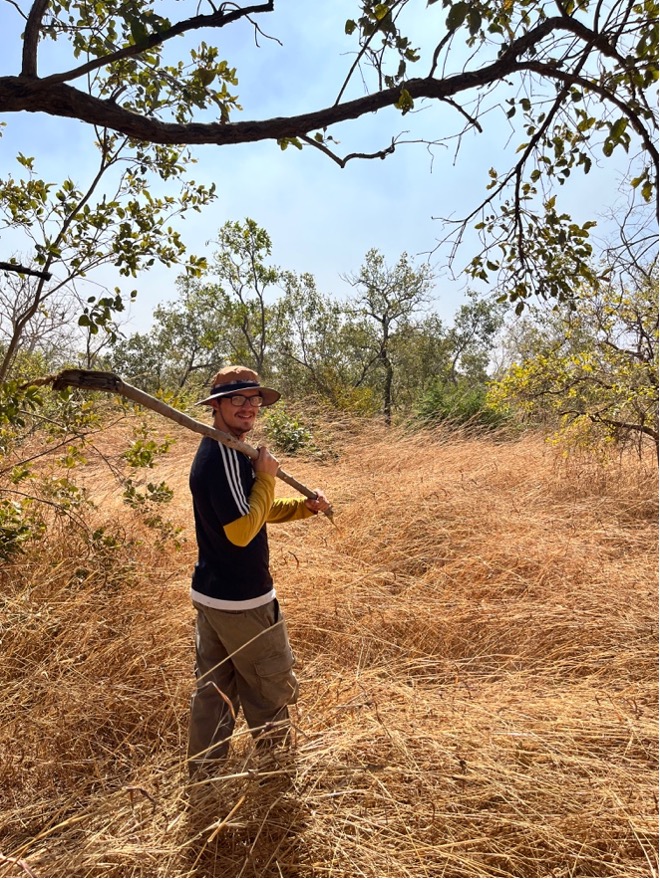
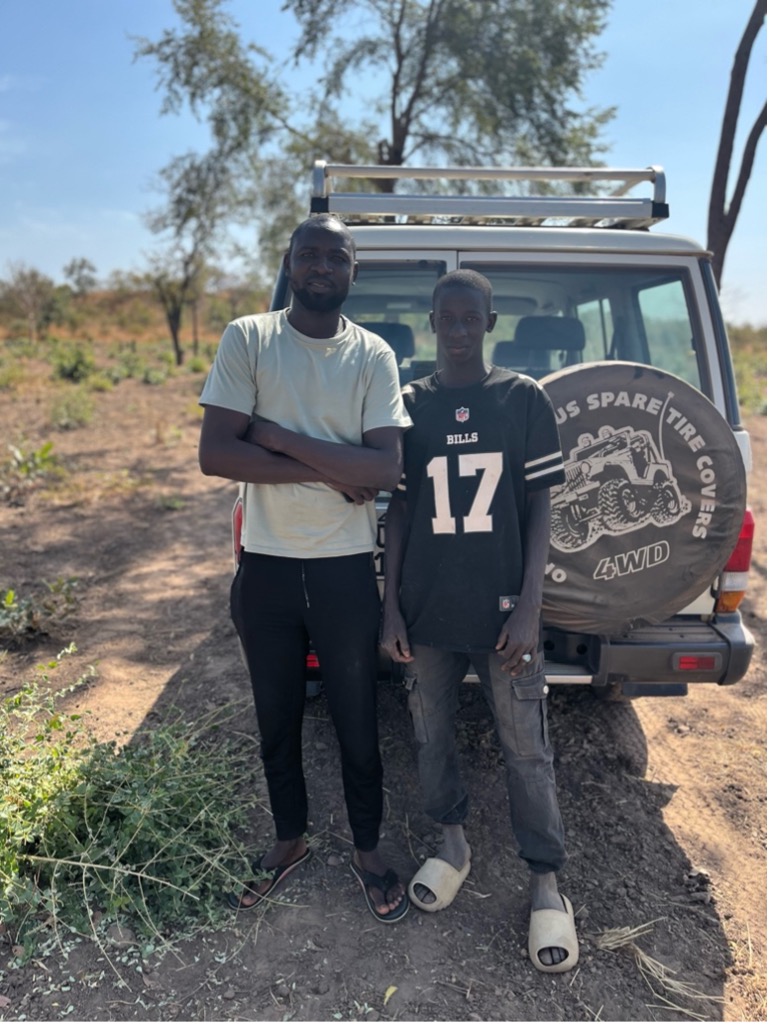
During this visit however, we found that our friend Ansumana “Ansu” had been hurt in a motorcycle accident just a day or so before. Luckily, he was okay, but he couldn’t walk well and was nursing a nasty wound on his leg and arm. Ansu is the bush master through whom most of our work goes. He is the respected second in command of the village and the village affectionately call him “rabaraba”, which mean busy or energetic because he is always doing something. Whether it is pursuing baking, farming, hunting, fishing, inter-village politics, or anything else—he always has something going on. So, it was strange to see him in pain and relegated to a chair. He insisted he would be able to help us while we were there for the next week and half. But we weren’t so sure. Ultimately, we were right, not that it matters. We just wanted him to rest up and keep his wound clean.Ansu was out of commission and that meant I needed to find a plan B. I also needed to allow for a lot more time to check the cameras because I wouldn’t have Ansu’s internal GPS to lead us straight to each camera in the most efficient way possible. Ultimately, I ended up visiting the cameras with Santi, just two toubabs (non-Africans) navigating the bush, what could go wrong? Santi’s GPS tracking work mostly took place in the evening, so we could visit my cameras during the day and work on his GPS and Hellena’s social network surveys in the evenings. I also borrowed manpower from amongst Ansu’s younger brothers and nephews. It really was a team effort!
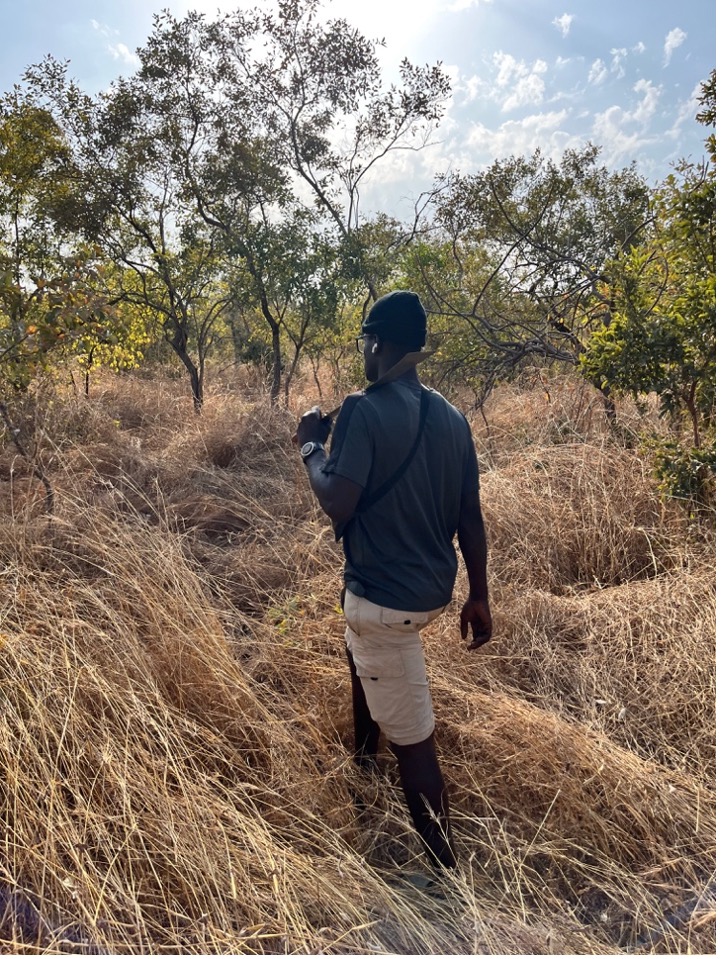
Ultimately, we made it to all the cameras, and I won’t go into all the details. But there was one incident that reminded me just how important local knowledge and expertise is. The second day Santi and I were out checking the cameras, we were trekking through 2-meter-tall grass. As I worked on the camera, Santi alerted me of a nearby troop of baboons which were not happy with our presence in their territory. I thought it must not be a big deal until Santi, more urgently insisted we grab sticks and the machete and retreat to some high ground above the tall grass. We were terrified. Luckily our screaming and gesturing made the baboons slowly retreat. But seeing a large, posturing male baboon drop from a tree into the obscurity of the tall grass only 20 meters or so from us was truly frightening.
The trip was a success, albeit with gritted teeth and creative problem solving to make it though some of the inevitable fieldwork hiccups. Rainy season had come and gone and made the forest much more impassible because of dense vegetation and flooding. But we managed anyway. I wrapped up my camera trapping and we made our way back to the coast for some much needed R&R the day before my flight back to Geneva.
Ultimately, we made it to all the cameras, and I won’t go into all the details. But there was one incident that reminded me just how important local knowledge and expertise is. The second day Santi and I were out checking the cameras, we were trekking through 2-meter-tall grass. As I worked on the camera, Santi alerted me of a nearby troop of baboons which were not happy with our presence in their territory. I thought it must not be a big deal until Santi, more urgently insisted we grab sticks and the machete and retreat to some high ground above the tall grass. We were terrified. Luckily our screaming and gesturing made the baboons slowly retreat. But seeing a large, posturing male baboon drop from a tree into the obscurity of the tall grass only 20 meters or so from us was truly frightening.
In April I had the chance to return to The Gambia for the last time to collect my cameras and wrap of the field portion of my study. This was the shortest of my trips, but one of the most meaningful.
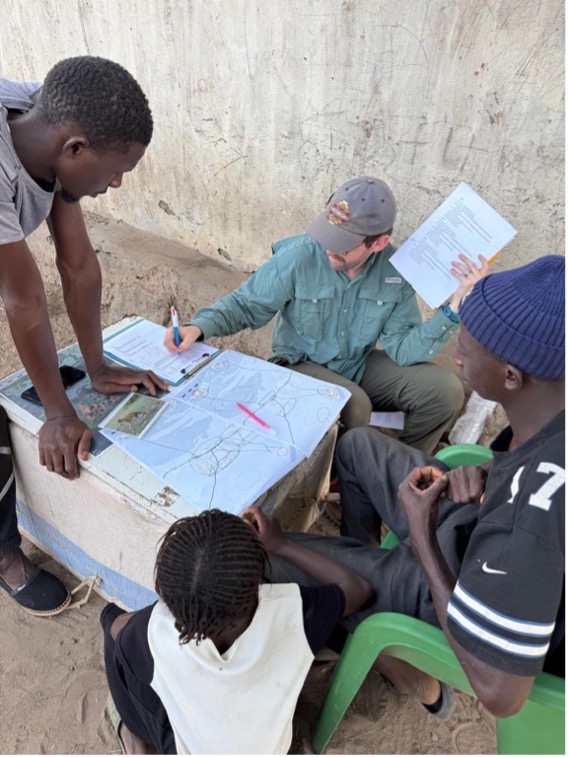
I arrived in The Gambia in the evening as usual. The next morning, I met up with Santi who had already wrapped up his GPS work the week prior to my arrival. My goal this time was to collect all my cameras, complete a participatory mapping exercise with Hellena and key knowledge holders in the village. After a brief time on the coast, I made the way up country in a bus where AC broke down halfway through. I tried to start my journey early in the morning, but the bus was 4 hours late, so we drove straight through the hottest part of the day. I arrived in Walikunda in the evening where I was greeted by all the usual suspects along with Hellena and a newcomer, James. James is a medical doctor working a project documenting aspects of the healthcare facilities in the Central River Region of The Gambia.
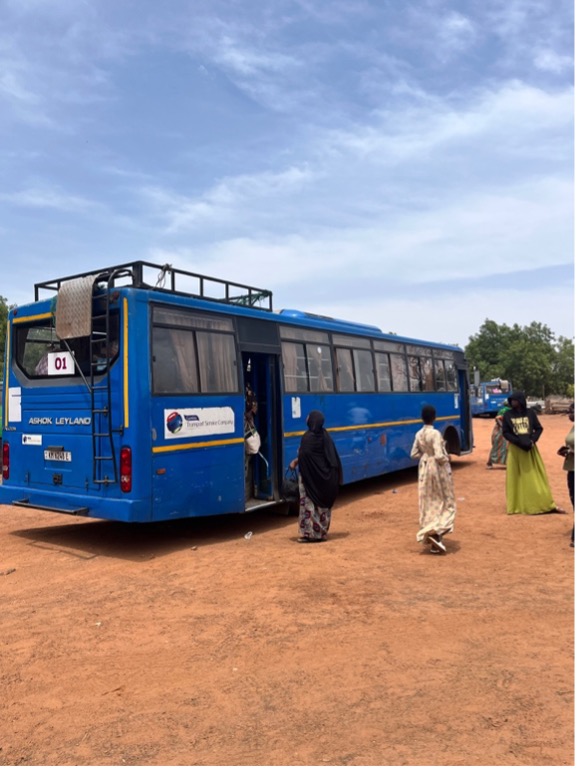
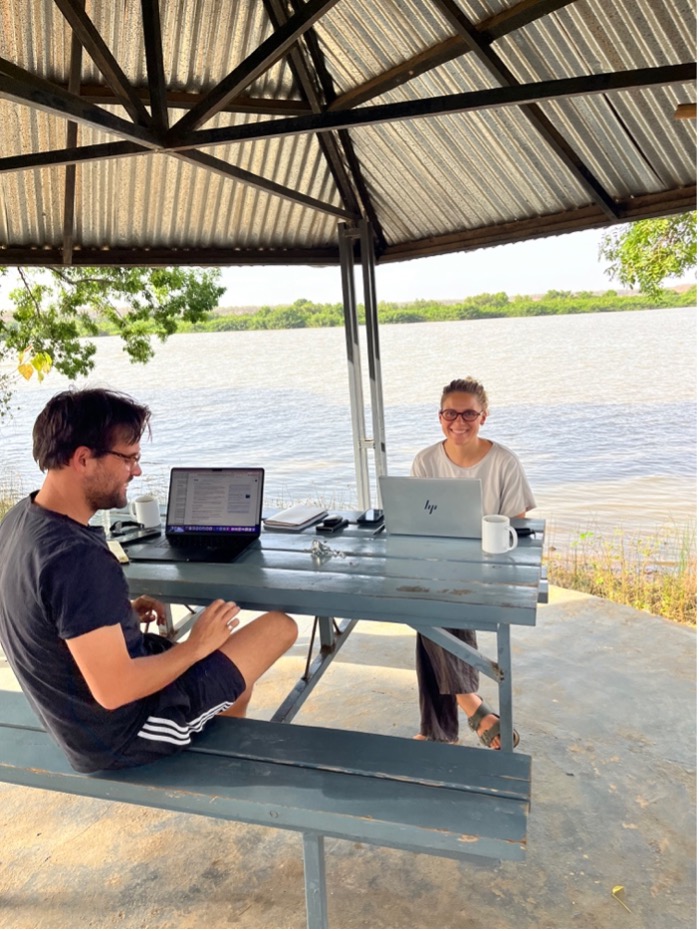
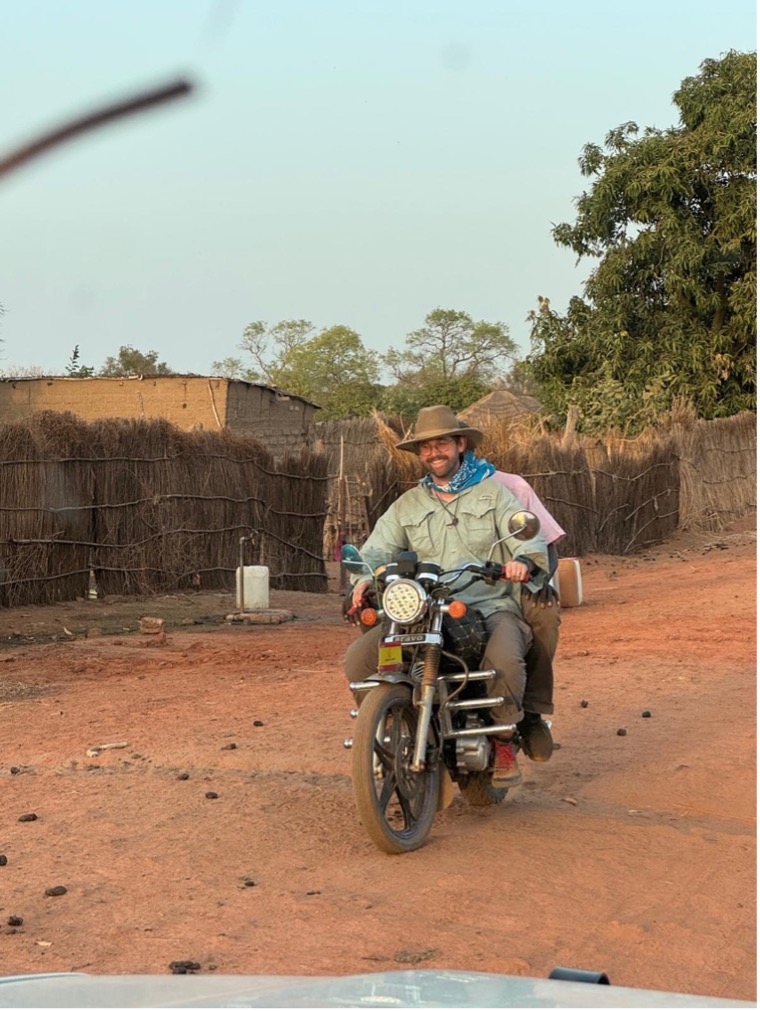
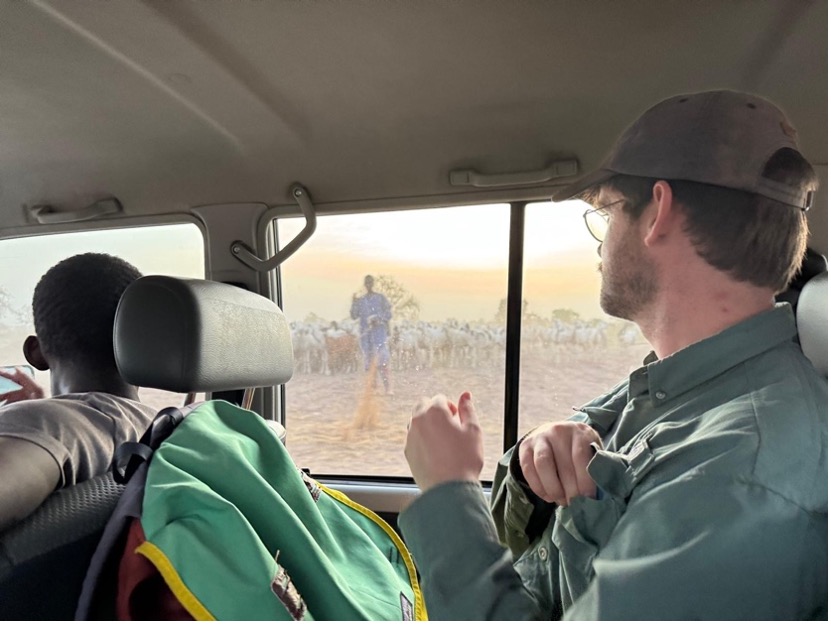
The plan was for us all to share a vehicle and drive in the same direction but accomplish all our goals separately. In our study village, our man Ansu had fully recovered from his motorcycle accident. The landscape had dried out, so we decided we could drive his motorcycle straight into the bush, off-road, to get the cameras back quickly. We had planned on spreading this out so that I could spend the evenings interviewing people for the mapping project, but after we arrived at our first two camera locations and they were either stolen or damaged, we decided it would be best to collect them all as soon as possible.
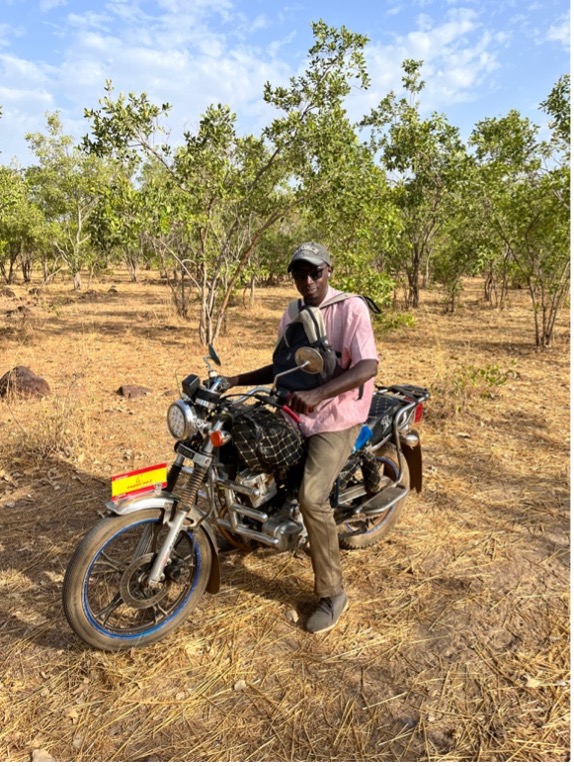
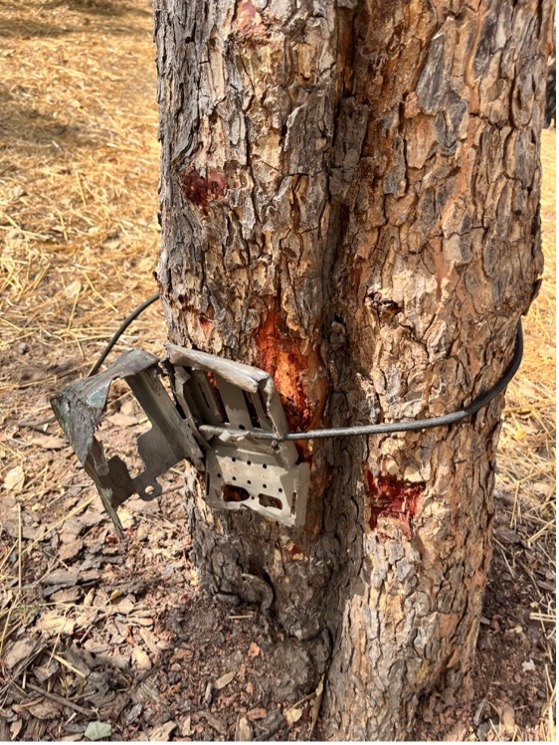
We had a long day driving in the 40C+ degree heat and even caused a sort of mass stampede of baboons. Ultimately, we got all the remaining cameras in a single day, but multiple had been removed or damaged. The next day we resolved to track down what happened to the cameras. It became clear quickly that this was likely the doing of some young boys. All the adults were excited about the project or at least somewhat supportive, so we were surprised to see the cameras taken or damaged. We eventually found the scamps who were the culprits for at least some of the cameras. It was a complicated and sensitive process to find the cameras, but the family of the boys wanted to quickly rectify the problem. The boys found at least some of the cameras we had taken, but we would never find the others.
For the remaining days, I interviewed people about their knowledge of wildlife in the forest. It was interesting to see how the way people interact with the forest (e.g. firewood, herding, hunting), affects the way the view wild animals. Old folks had much different perspectives than young people, and women and men tended to have different opinions on the wildlife of the forest.
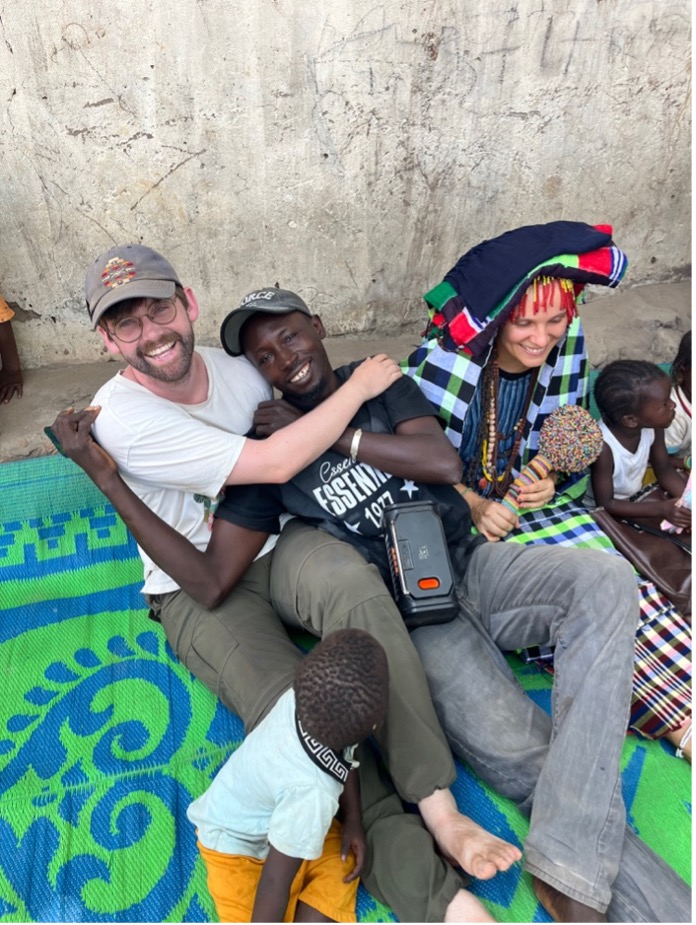
After returning to the coast, I relaxed on the beach and played some pub trivia at the British embassy, before I flew back to Geneva for the last time of my PhD fieldwork. As I flew away I reflected on how much I had changed over the course of my PhD. My first visit to The Gambia was riddled by anxiety and fear of the unknown. I really struggled in the heat. This time I can’t imagine not returning, and I feel confident taking on unexpected circumstances. I am really grateful for the kind people of The Gambia and my PhD cohort for bringing me out my shell. I can’t wait to go back soon.


